Metal buildings have moved far beyond basic utility. In 2026, they’re shaping the future of commercial spaces. You see them everywhere because they’re durable, cost-efficient, and built with sustainability in mind. Businesses want structures that go up fast, last long, and adapt to modern demands.
This year, several industries are proving that metal isn’t just a material choice. It’s a strategy. Let’s look at who’s getting it right and why you should pay attention.
Manufacturing and Warehousing
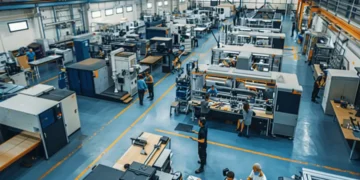
Manufacturers need space that grows with them. Expansion is often slowed by traditional construction, but prefab metal buildings change the equation. Trusted specialists ensure each project is engineered for quick assembly, cutting weeks off project timelines. Modern manufacturing facilities benefit because they can also be designed to support automation and robotics for efficient and future-ready production lines.
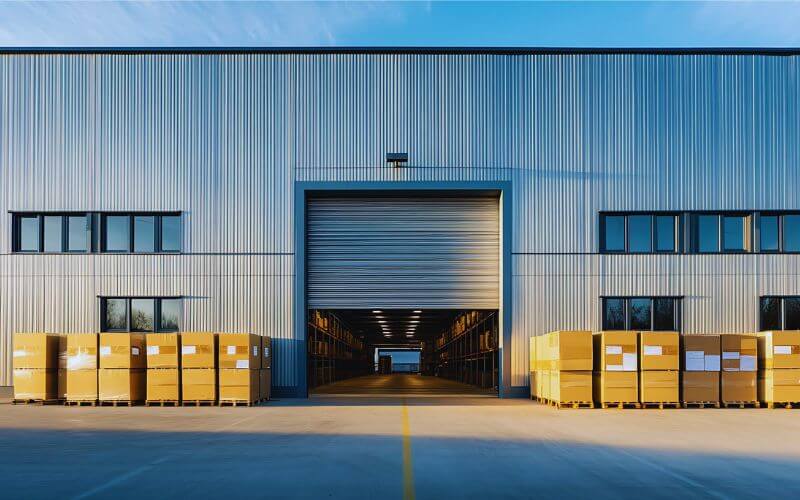
Warehousing operations benefit just as much. Strong steel framing supports wide spans without internal columns, giving you more usable floor space. That open design makes it easier to install racking systems, streamline forklift movement, and scale inventory management. Companies that adopt metal construction are finding it easier to adapt to supply chain shifts while maintaining resilience.
Agriculture and Food Processing
Farmers and food processors rely on controlled environments. Steel structures provide the stability needed for livestock housing, crop storage, and processing facilities. They’re easy to insulate and can integrate with renewable energy systems like solar panels, helping reduce operating costs while keeping conditions consistent.
Materials such as galvanized steel are often chosen for their resistance to moisture and corrosion, which is vital in food‑grade settings with strict hygiene standards. Stainless or coated steel may be preferred for specialized processing areas. Whatever the finish, steel construction ensures storage buildings and processing spaces protect harvests and equipment so operations continue without disruption.
Retail and Mixed-Use Developments
Retail developers want flexibility. Metal buildings offer modular layouts that adapt to changing tenant needs, from small shops to larger anchor spaces. Expansion or reconfiguration can be done without tearing down walls, saving costs and keeping projects on schedule.
Mixed‑use developments benefit from the same adaptability. Hybrid retail and storage centers are growing in suburban markets, where speed and cost efficiency matter most. Developers can choose different roof options to balance durability with design, creating spaces that fit community settings while remaining easy to maintain. Steel construction makes these projects resilient and versatile, supporting both short‑term tenants and long‑term growth.
Aviation and Transportation
Airports and logistics hubs demand large, open spaces. Pre-engineered metal buildings deliver strength‑to‑weight advantages that make wide‑span airplane hangars possible, giving aircraft the clearance they need without interior columns. Safety and durability remain uncompromised, even with massive structures designed for heavy use.
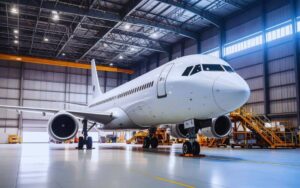
As passenger and freight volumes grow, facilities must adapt quickly. Modern layouts integrate cargo handling, climate‑controlled storage, and secure inspection areas to keep operations efficient. These structures also support maintenance work, allowing crews to service large aircraft and equipment without obstruction.
Education and Community Spaces
Schools, gyms, and recreational centers are increasingly choosing steel structures for cost‑effective infrastructure. Faster construction and lower upkeep stretch public budgets further, making it possible to deliver safe, functional spaces without overspending.
Communities benefit from quicker access to essential facilities. Adaptable layouts support classrooms, athletic programs, and local events, while efficient design helps maximize resources. These projects give towns and cities the ability to expand services and create welcoming environments for learning, recreation, and community connection.
Tech and Data Centers
Data centers demand stability and scalability. Prefab steel buildings provide secure shells designed to support heavy cooling systems, backup power infrastructure, and advanced fire‑suppression technology. Their customized design makes it easier to organize server racks and specialized equipment without structural limitations.
With cloud adoption and AI workloads accelerating, facilities need space that can grow without costly rebuilds. Modular designs allow operators to add capacity quickly, whether through expanded floor areas or dedicated zones for high‑density computing. These projects also accommodate strict compliance requirements, giving technology providers confidence that their environments remain efficient, secure, and ready for future demand.
Healthcare and Emergency Services
Healthcare providers and emergency teams need reliability under pressure. Metal buildings serve as clinics, supply depots, and disaster‑response hubs, offering fire resistance and rapid deployment when time is critical.
Prefabricated medical units housed in steel structures are becoming more common, especially in areas with limited permanent facilities. Their mobility allows them to be positioned where demand is highest, whether for vaccination drives, emergency triage, or temporary housing for medical staff. These versatile spaces help communities respond faster to crises, ensuring essential care and resources reach people when they need them most.
Sustainability and Compliance
Green building codes are tightening, and metal buildings help industries meet those evolving standards. Steel is recyclable, and its lifecycle performance often outpaces alternatives, making it a practical choice for organizations aiming to reduce environmental impact.
Net‑zero targets are driving wider adoption, with prefab designs offering energy‑efficient insulation and compatibility with renewable systems such as solar panels. By aligning with sustainability goals while keeping costs manageable, these projects allow businesses to demonstrate environmental responsibility and regulatory compliance without sacrificing operational efficiency.
Final Thoughts
Across sectors, metal buildings are proving their worth as more than infrastructure. They deliver speed, resilience, and sustainability while adapting to the demands of modern business.
If you’re planning your next project, it’s worth asking how metal can work for you. It’s not simply about building space. It’s about building advantage.