Operational downtime costs you time, money, and trust. In industrial and commercial sites, even short stops affect output, safety, and schedules. Many teams focus on equipment and staffing, but floors often get ignored.
Dirty or wet floors slow work, create safety risks, and force stoppages. This is where industrial floor cleaning machines make a real difference. When you use the right machines, you clean faster, plan better, and keep your operation moving.
Today, we will see how floor cleaning connects directly to uptime. It speaks to plant managers, warehouse leaders, facility managers, and procurement teams who want practical results.
Why Floor Cleaning Often Causes Downtime?
Floor cleaning looks simple, but in large facilities, it can stop work if handled poorly. Manual methods are a common issue.
#1 Manual cleaning takes too long
When you rely on mops and buckets, cleaning becomes slow and uneven. Large areas take hours, not minutes. Workers must block aisles and shut down zones to stay safe.
Common problems include:
- Long cleaning times.
- Inconsistent results.
- Wet floors that need extra drying time.
- Repeated cleaning of the same areas.
#2 Cleaning during operating hours disrupts workflows
If cleaning overlaps with production or picking, people must wait. Forklifts stop. Staff reroute. Supervisors deal with complaints. These interruptions add up across shifts.
What Are Industrial Floor Cleaning Machines?
Industrial floor cleaning machines are built for large, busy environments. They handle dirt, dust, spills, and debris found in plants and warehouses. These machines differ from domestic or light commercial units.
Common types include:
- Walk-behind scrubber dryers
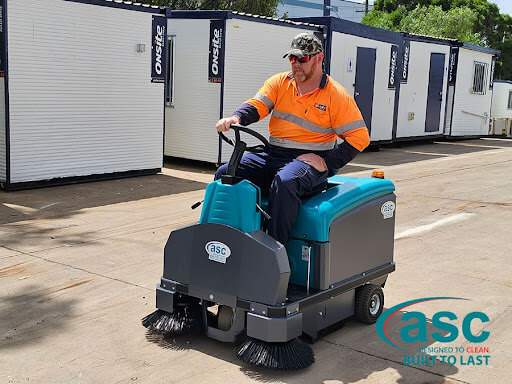
- Ride-on scrubber dryers
- Industrial sweepers
- Combination sweeper scrubbers
Faster Cleaning Reduces Planned Downtime
Speed matters in industrial cleaning. When cleaning takes less time, you gain control over your schedule.
#1 Large areas cleaned in fewer passes
Industrial floor cleaning machines cover wide paths. One operator can clean thousands of square metres quickly. You avoid repeated passes and wasted effort.
Key advantages:
- Shorter cleaning windows.
- Faster drying times.
- Return to full operation quickly.
#2 Cleaning fits into breaks and shift changes
When machines work fast, you can clean during:
- Shift handovers.
- Meal breaks.
- Low traffic periods.
You avoid full shutdowns just to clean floors.
Clean Floors Reduce Unplanned Shutdowns
Unplanned stops cause the most damage to productivity. Floor condition plays a direct role here.
#1 Fewer slips and falls
Dust, oil, and residue increase risk. When someone slips, work stops. Investigations begin. Areas are closed off. Regular machine cleaning helps you:
- Remove hazards before incidents occur.
- Keep walkways dry and safe.
- Protect staff and visitors.
#2 Better control of dust and debris
In warehouses and plants, debris spreads fast. It moves on tyres, boots, and airflow. If left unchecked, it reaches equipment and workstations. Machine cleaning reduces:
- Dust around sensitive equipment.
- Debris near production lines.
- Blocked access routes.
Consistent Cleaning Protects Equipment and Floors
Dirty floors affect more than safety. They affect your assets.
#1 Less wear on machinery and vehicles
Debris damages wheels, bearings, and moving parts. Clean floors reduce this risk. Forklifts run more smoothly. Mobile equipment lasts longer.
#2 Floors last longer with proper care
Oil and grit break down surfaces over time. Scrubber dryers remove these contaminants. You reduce repair work and avoid floor damage that forces area closures.
Predictable Cleaning Supports Maintenance Planning
When cleaning is reliable, planning becomes easier.
#1 Cleaning aligns with maintenance windows
Industrial floor cleaning machines let you plan cleaning around servicing. You avoid clashes between teams. Benefits include:
- Clear schedules.
- Fewer last-minute changes.
- Better coordination between departments.
#2 Less need for emergency clean-ups
Spills and buildup still happen. When you clean regularly, small issues stay small. Emergency callouts drop. Your team stays focused.
Improved Workforce Efficiency Keeps Operations Steady
Labour efficiency matters when margins are tight.
#1 One operator does the work of several people
Machines reduce the number of staff needed for floor cleaning. One trained operator replaces multiple manual cleaners. This allows you to:
- Reassign staff to core tasks.
- Reduce overtime linked to cleaning.
- Maintain coverage during absences.
#2 Reduced fatigue lowers injury risk
Manual scrubbing strains the body. Fatigue leads to mistakes and injuries. Machines take the load off your team. Operators stay alert and productive.
Compliance and Safety Are Easier to Maintain
Audits and inspections disrupt work when issues appear.
#1 Cleaner floors support safety standards
Consistent machine cleaning helps you meet workplace health and safety requirements. Floors stay dry, clear, and visible.
#2 Fewer audit failures and corrective actions
When inspectors find issues, they may require immediate fixes. This can halt work. Clean floors reduce these interruptions and keep audits smooth.
Planned Cleaning Prevents Emergency Shutdowns
Emergency shutdowns often start with small problems. Floor condition is one of them. With industrial floor cleaning machines, you:
- Control buildup before it spreads.
- Spot issues early during routine cleaning.
- Avoid reactive decisions under pressure.
Closing Thoughts
Downtime does not always start with a major failure. Often, it starts on the floor. When floors are dirty, wet, or unsafe, work slows or stops.
Industrial floor cleaning machines give you control. They help you clean faster, plan better, and protect daily operations. When you treat floor cleaning as part of operational planning, you reduce disruption and keep your site running as it should.