You face pressure from every direction. Costs rise fast, timelines shrink even faster, and expectations shift without warning. In that environment, the facility you choose becomes more than a physical space. It becomes a strategic decision that affects how quickly you respond to change and how efficiently you operate day to day.
This comparison matters because facilities lock in trade-offs. Some options favor speed and growth with ease, while others favor permanence. Deciding which direction to take starts with looking at how both options perform against the practical needs that matter most to your bottom line.
What Are Rigid Wall Shelters?
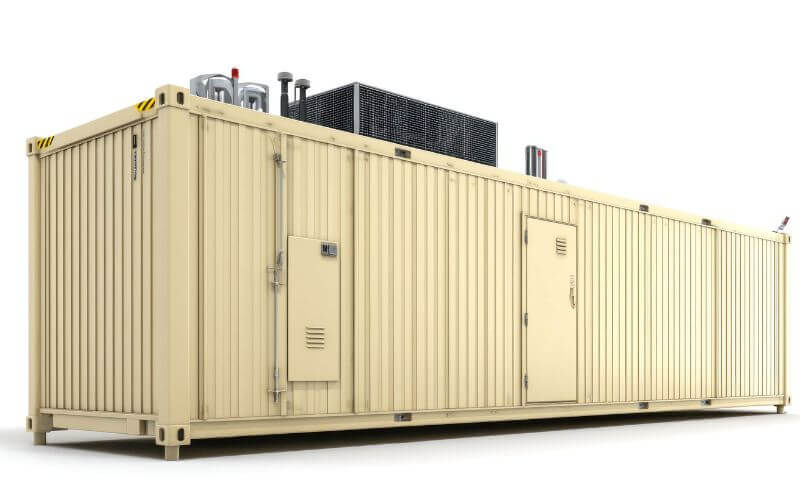
Rigid wall shelters offer a modern alternative to conventional construction. These systems rely on engineered panels, often built with composite materials, to deliver strength, insulation, and consistency without the delays of traditional builds. Developed by specialized manufacturers to arrive pre-designed and ready for assembly, a rigid wall shelter removes the typical unknowns of a construction project.
Beyond their technical specifications, these structures draw their reliability from proven design origins. Many are based on military shelter applications where performance under pressure is critical. For business use, this translates into structures that handle demanding environments while maintaining a professional, purpose-built appearance. You gain speed without sacrificing credibility.
What Defines Traditional Business Facilities?
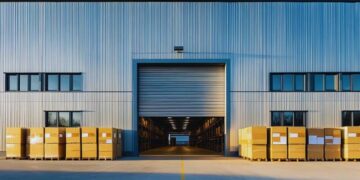
Traditional facilities follow a familiar construction path, starting with securing land and pouring foundations to coordinating contractors and inspectors. The result is a permanent structure designed to last decades and integrate deeply with local infrastructure.
That permanence can be an advantage for stable operations with predictable needs, but it also creates rigidity. Once walls are up and layouts are fixed, any adjustment requires permits, contractors, and significant downtime. For businesses operating in fast-changing markets, this lack of flexibility can quickly stall momentum.
Speed of Deployment and Operational Readiness
Speed often drives the initial decision. Rigid shelters facilitate rapid deployment, allowing you to move from planning to operation in a fraction of the time. That matters when you need immediate capacity, temporary expansion, or fast market entry.
Traditional facilities progress at a slower pace by nature. Construction schedules stretch due to the permitting process, labor availability, and weather conditions. While the end result may be robust, the time investment can delay revenue generation and strain operational timelines.
Durability, Safety, and Environmental Performance
Durability remains essential for any business facility. Modern rigid wall shelters meet structural standards for wind, snow, and seismic conditions, making them suitable for semi-permanent use. Many also integrate advanced climate control, helping protect equipment and maintain employee comfort across diverse environments.
While shelters meet these rigorous standards, traditional facilities offer a different level of permanence through long-term resilience and regulatory integration. They often align seamlessly with municipal systems and zoning requirements. However, durability alone doesn’t guarantee operational efficiency when conditions or demands shift.
Cost Structure and Budget Predictability
Rigid shelters tend to offer clearer cost visibility. Pricing typically includes materials, installation, and defined customization options. That predictability supports better financial planning and reduces the risk of budget overruns.
In contrast, traditional facilities often introduce cost uncertainty. Material price swings, design changes, and unforeseen site conditions add layers of expense. While these buildings may deliver long-term value, they demand higher upfront capital and expose you to potential financial strain.
Flexibility, Scalability, and Future Growth
Flexibility changes how you plan for growth. Rigid shelters let you expand incrementally, relocate assets, or reconfigure layouts as needs evolve. That adaptability supports seasonal demand, pilot programs, and evolving workflows.
Traditional facilities resist that kind of change, where expansion requires new construction and downsizing leaves you with unused space. If your strategy prioritizes agility, these fixed structures can become constraints rather than assets.
Maintenance, Modifications, and Lifecycle Management
Maintenance affects productivity more than most leaders expect. Rigid shelters simplify repairs by using modular components and accessible systems. When changes are needed, you can often implement them without disrupting operations.
Traditional facilities, on the other hand, involve a higher degree of maintenance complexity. Because systems like plumbing and electrical often intertwine behind permanent walls and beneath concrete floors, modifications take more time, require specialized labor, and frequently interrupt daily operations. Over a facility’s lifecycle, these hidden hurdles add layers of cost and make it harder to stay productive.
Use Cases and Operational Fit
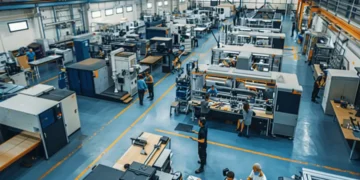
Rigid shelters support a wide range of use cases, from distribution centers and remote operations to specialized workspaces that benefit from quick setup. With features like integrated plumbing, these structures can function fully without the need for extensive retrofitting.
While shelters provide this high-speed versatility, traditional facilities are better suited for headquarters, large-scale manufacturing, and long-term operations with stable requirements. These structures reward certainty and long-range planning, making the right choice dependent on how clearly you can forecast your future needs.
Final Thoughts
Choosing between a rigid wall shelter and a traditional facility isn’t about trends or appearances. It’s about strategic alignment. Your facility should support how you operate today while leaving room for change tomorrow.
When you evaluate speed, cost, flexibility, and lifecycle impact together, the decision becomes clearer. That clarity allows you to invest with confidence and build a foundation that doesn’t just house your business but actively supports its growth.