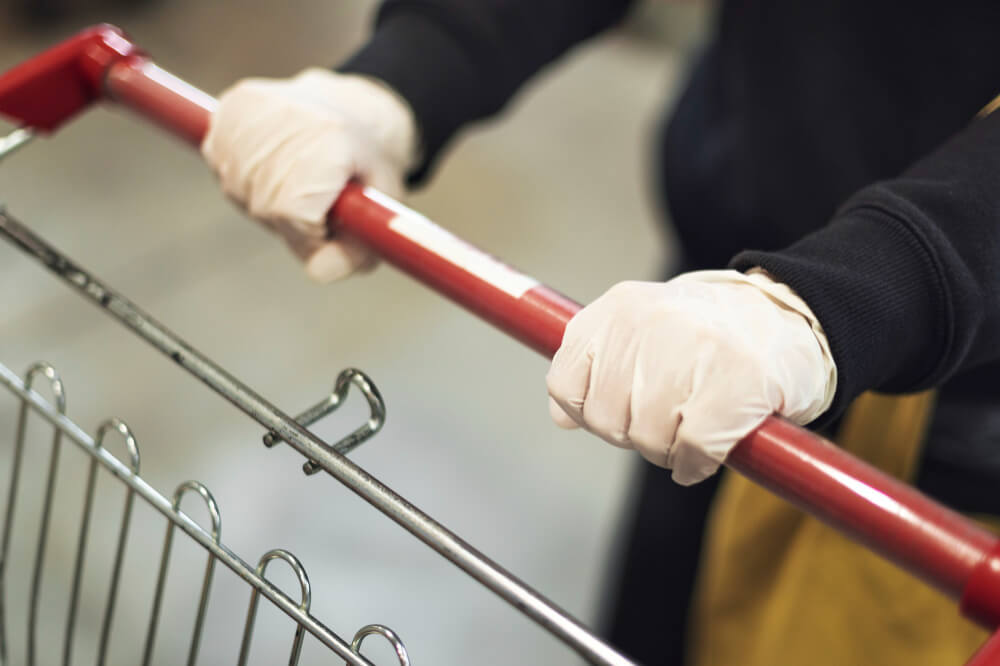
In busy industrial, commercial, and logistics environments, efficiency often comes down to the tools used every day. Trolleys play a vital role in moving goods safely, reducing manual handling, and keeping workflows running smoothly. Whether used in warehouses, hospitals, offices, or retail spaces, the quality and design of a trolley can have a direct impact on productivity, safety, and long-term costs.
This article explores why choosing the right trolley manufacturer matters, what features to look for, and how well-designed trolleys support safer and more efficient operations across different sectors.
Why the Choice of Trolley Manufacturer Matters
Quality Impacts Safety and Durability
Trolleys are often used multiple times a day, carrying heavy or valuable loads. Poorly manufactured trolleys can lead to instability, broken components, or even workplace injuries. A reputable manufacturer focuses on robust materials, reliable construction, and thorough testing to ensure products perform consistently under pressure.
High-quality trolleys also last longer, reducing the need for frequent replacements and lowering total cost of ownership.
Design Influences Efficiency
Good design is about more than appearance. Ergonomic handles, smooth-rolling castors, and well-balanced frames all contribute to ease of use. When staff can move items effortlessly and safely, tasks are completed faster and with less physical strain.
Key Features to Look for in a Quality Trolley
Strong, Lightweight Materials
Modern trolleys are often made from advanced materials such as aluminium or high-grade plastics, offering strength without unnecessary weight. This makes them easier to manoeuvre while still capable of handling demanding loads.
Reliable Wheels and Castors
Wheels are one of the most critical components of any trolley. High-quality castors provide smooth movement, good load-bearing capacity, and stability on different floor surfaces. Locking mechanisms are also important for safety when trolleys need to remain stationary.
Customisation and Flexibility
Different workplaces have different needs. A good manufacturer offers a range of sizes, load capacities, and configurations, as well as options for customisation. This ensures trolleys are fit for purpose rather than forcing teams to adapt to unsuitable equipment.
Working with an experienced trolley manufacturer allows organisations to select solutions designed around real operational requirements, not generic assumptions.
How the Right Trolleys Improve Workplace Efficiency
Faster Movement of Goods
Well-designed trolleys reduce the effort required to move items from one place to another. This speeds up workflows, particularly in environments such as warehouses and distribution centres where time is critical.
Reduced Manual Handling Risks
Manual handling injuries remain a major concern in many industries. Trolleys help minimise lifting, carrying, and awkward movements, supporting better health and safety outcomes for employees.
Improved Organisation and Flow
Specialist trolleys can be designed to hold specific items, tools, or containers, improving organisation and reducing clutter. This creates clearer workflows and helps staff find what they need quickly.
Applications Across Different Industries
Warehousing and Logistics
In logistics environments, trolleys are essential for order picking, packing, and transporting goods. Durable designs that can handle high loads and frequent use are key to maintaining efficiency.
Healthcare and Care Settings
Hospitals and care facilities rely on trolleys for medication delivery, laundry, catering, and waste management. Here, hygiene, ease of cleaning, and quiet operation are particularly important.
Retail and Commercial Spaces
In retail and office settings, trolleys support stock movement, maintenance tasks, and event setup. Aesthetic design can also matter in customer-facing environments, alongside practicality.
The Long-Term Value of Investing in Quality Trolleys
Lower Maintenance and Replacement Costs
Although high-quality trolleys may cost more upfront, they typically require less maintenance and last longer. This reduces downtime, repair expenses, and the disruption caused by equipment failures.
Better Staff Satisfaction
Employees notice when equipment works well. Trolleys that are easy to use and reliable reduce frustration and physical strain, contributing to better morale and productivity.
Supporting Sustainability Goals
Many modern manufacturers focus on sustainable materials and long-lasting designs. Investing in durable products reduces waste and supports more responsible procurement practices.
Best Practices When Selecting a Trolley Manufacturer
Assess Your Operational Needs
Before choosing a manufacturer, consider how and where the trolleys will be used. Load requirements, space constraints, and frequency of use all influence the right choice.
Prioritise Proven Expertise
Look for manufacturers with experience across multiple industries and a track record of reliable products. This expertise often translates into better design, testing, and customer support.
Consider After-Sales Support
Good after-sales service, availability of spare parts, and clear warranties add significant value. They ensure your investment remains functional and supported over time.
Frequently Asked Questions
Why is it important to choose a specialist trolley manufacturer?
Specialist manufacturers focus on durability, safety, and usability, delivering products designed for real-world operational demands.
Can trolleys be customised for specific tasks?
Yes. Many manufacturers offer custom sizes, configurations, and accessories to suit different environments and workflows.
Do quality trolleys really reduce workplace injuries?
They can significantly reduce manual handling risks by minimising lifting and improving load stability and manoeuvrability.
Are modern trolleys suitable for heavy-duty use?
High-quality trolleys are designed to handle substantial loads while remaining easy to move and control.
How long should a well-made trolley last?
With proper use and maintenance, a well-manufactured trolley can last many years, even in demanding environments.
Conclusion
Choosing the right trolley manufacturer is a strategic decision that affects safety, efficiency, and long-term operational costs. Well-designed trolleys support smoother workflows, protect staff from injury, and deliver better value over time.
By investing in high-quality, purpose-built trolley solutions, organisations across logistics, healthcare, retail, and commercial sectors can improve daily operations and create safer, more productive working environments.