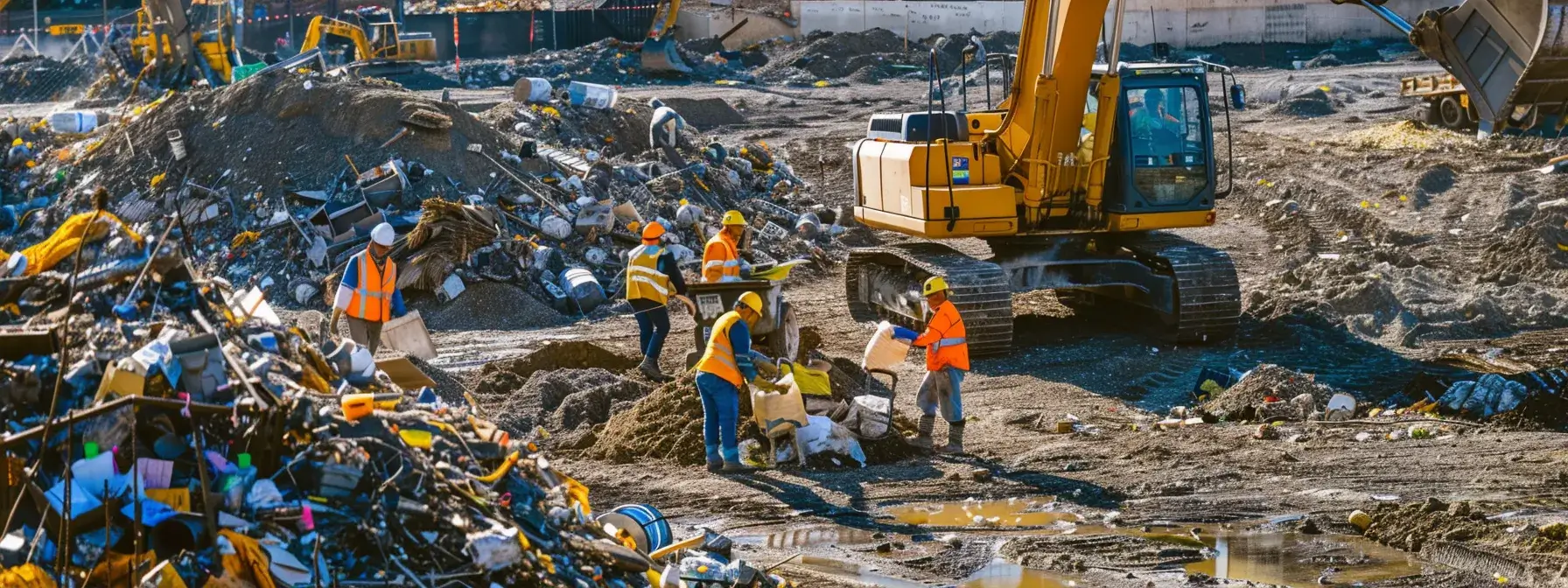
In the construction business, effective waste management is a critical aspect of reducing environmental impact. For companies operating in New Jersey, opting for local commercial waste services plays a significant role in achieving this goal. This article explores how local waste services contribute to environmental sustainability, the benefits they offer to the community, their role in minimizing carbon footprints, and the sustainable practices they implement. By understanding these factors, businesses can make informed decisions that align with both operational efficiency and environmental responsibility.
Local Waste Services and Their Environmental Role in NJ
Local waste services in New Jersey are integral to maintaining environmental standards in the construction industry. By employing a Site Logistics Plan, these services optimize waste collection and recycling processes, reducing unnecessary transportation and its associated emissions. Moreover, local providers are well-versed in state regulations, ensuring compliance with New Jersey’s stringent environmental laws. For instance, adhering to LEED Certification standards can significantly minimize waste and promote resource conservation. By choosing local services, businesses not only contribute to a cleaner environment but also demonstrate a commitment to Commercial Waste Services in NJ and sustainability.
Additionally, local waste management companies often participate in community recycling programs, enhancing the overall recycling rate in the area. This collaboration helps in managing construction debris more effectively, supporting the state’s environmental goals. According to the New Jersey Department of Environmental Protection, such initiatives have been instrumental in increasing recycling rates statewide. New Jersey Department of Environmental Protection.
Community Benefits of Choosing NJ-Based Waste Management
Opting for NJ-based waste management services offers numerous community benefits. These services often support local employment, providing jobs that contribute to the region’s economic growth. Furthermore, they are more likely to understand and cater to the specific needs of the community, offering tailored solutions that national companies might overlook. Their presence boosts community involvement in environmental practices, fostering a culture of sustainability and responsibility.
Community-focused waste management companies also play a crucial role in educating the public about proper waste disposal. Through workshops and public initiatives, they help raise awareness about the importance of recycling and waste reduction. These efforts not only benefit the environment but also enhance the community’s quality of life. For example, local waste management firms often collaborate with schools and businesses to create effective waste reduction strategies. Natural Resources Defense Council.
How Local Waste Solutions Reduce Carbon Footprint in New Jersey
Local waste solutions significantly reduce the carbon footprint of construction projects in New Jersey. By shortening the distance waste needs to travel, local services decrease greenhouse gas emissions associated with transportation. This reduction is particularly important for construction sites following a Construction Schedule, where timing and efficiency are paramount. Minimizing transportation emissions supports New Jersey’s broader environmental initiatives aimed at reducing carbon output.
Furthermore, local waste services can integrate seamlessly into a construction project’s Scope of Work, ensuring waste management is an inherent part of the planning process. This integration enables the use of As-Built Drawings to optimize waste management logistics, aligning with the project’s environmental goals. By reducing dependency on distant waste facilities, businesses can significantly lower their overall carbon emissions, contributing positively to the state’s sustainability efforts.
Sustainable Practices in NJ’s Commercial Waste Management
New Jersey-based commercial waste services are at the forefront of implementing sustainable practices. These practices include recycling materials such as concrete, wood, and metals, which are common in construction projects. By maintaining a detailed Submittal Log, waste management companies can track and document the recycling process, ensuring transparency and accountability. This approach not only conserves natural resources but also supports the circular economy.
Another key practice is the use of advanced waste sorting technology, which increases the efficiency of recycling operations. These technologies, often detailed in a company’s Safety Data Sheet (SDS), ensure that hazardous materials are properly handled and disposed of, minimizing environmental harm. By engaging with local Commercial Waste Services in NJ, businesses can leverage these advanced practices to enhance their sustainability profiles.
Conclusion

Choosing local commercial waste services in New Jersey offers substantial environmental benefits, from reducing emissions to promoting community involvement in sustainable practices. By integrating these services into their construction operations, businesses can align with state regulations, support local economies, and contribute to a healthier planet. For construction businesses looking to reduce their environmental footprint, partnering with NJ-based waste management providers is a strategic and responsible choice.